Weight & Metabolism

TRIKATU, GUGGUL & AGNI — THE METABOLIC TRINITY

Weight & Metabolism

You're not eating too much. Your metabolic fire is too weak to handle what you eat. Discover how Ayurveda restores Agni — and lets your body find its natural weight without suffering.

AGNI — FIXING THE METABOLIC FIRE

The Metabolism Reset: Ayurveda's Blueprint for Natural, Lasting Weight Balance

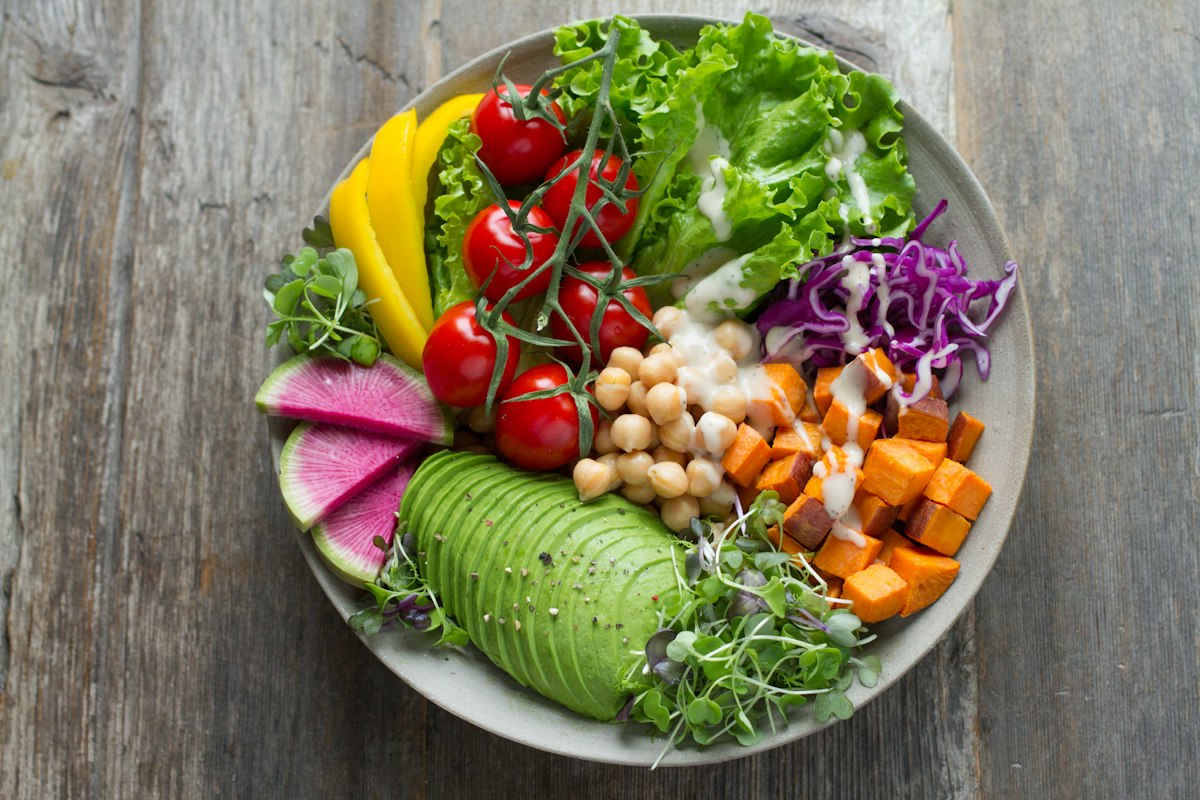
Healthy Ayurvedic food

In Ayurveda, body weight is not simply a matter of calories in versus calories out. It is a direct reflection of Agni — the digestive fire that transforms food into tissue, energy, and consciousness. When Agni is balanced, the body naturally maintains its ideal weight. When Agni is impaired — whether too weak (Manda Agni in Kapha types), too sharp (Tikshna Agni in Pitta types), or irregular (Vishama Agni in Vata types) — metabolic dysfunction follows, no matter how carefully one counts calories.

This is why two people can eat the same diet and have entirely different metabolic outcomes. Ayurveda begins not with what you eat but with understanding your metabolic type — your dosha — and addressing the specific imbalances that prevent your body from processing food efficiently and maintaining its natural, healthy weight.

Understanding Ama — The Root of Weight Problems

When Agni is impaired, incompletely digested food creates Ama — a sticky, toxic residue that clogs the body's channels (Srotamsi) and accumulates in tissues. Ama is heavier than healthy tissue, interferes with fat metabolism, disrupts hormonal signalling, and is the Ayurvedic root cause of what modern medicine calls metabolic syndrome.

The primary treatment goal in Ayurvedic weight management is not to restrict food but to rekindle Agni and eliminate Ama — clearing the metabolic pathways that allow the body to naturally process and utilise food rather than store it as toxic accumulation.

Three Metabolic Profiles — Which One Are You?

Ayurveda identifies three distinct body-weight patterns, each requiring a completely different approach. Understanding your type is the first and most important step in addressing weight and metabolism effectively.

🌬️

Vata Type

Cannot Gain Weight

Thin, light frame with difficulty gaining or maintaining healthy weight. Highly variable appetite — sometimes ravenous, sometimes no interest in food. Rapid metabolism that burns through nutrients before they can be properly assimilated. High anxiety and irregular sleep worsen the pattern.

KEY APPROACH

Build Ojas with warm, oily, nourishing foods. Regular mealtimes are essential. Ashwagandha for muscle building. Avoid raw, cold, dry foods.

🔥

Pitta Type

Inflammatory Deposits

Medium, muscular frame with tendency toward inflammatory weight gain — particularly around the midsection when stressed or overworked. Strong appetite that becomes demand — they must eat when hungry or become irritable. Excess Pitta creates heat, inflammation, and the deposition of weight through inflammatory pathways rather than simply caloric excess.

KEY APPROACH

Cool and detoxify with bitter greens, coconut, coriander. Avoid hot, spicy, fermented foods and excessive fasting. Shatavari and Amalaki for liver support.

🌿

Kapha Type

Slow Metabolism, Easy Weight Gain

Larger, heavier frame with naturally slow metabolism and the tendency to gain weight even with moderate food intake. Low but steady appetite, strong endurance, and deeply loyal constitution. Manda Agni (slow digestive fire) means food is processed sluggishly and stored rather than burned. Primary target for most Ayurvedic weight loss protocols.

KEY APPROACH

Stimulate Agni with Trikatu and spicy foods. Ayurvedic intermittent fasting is ideal. Vigorous Kapha yoga. Guggul for fat metabolism.

The Ayurvedic Metabolic Protocol

6 evidence-based practices for restoring Agni, eliminating Ama, and bringing the body back to its natural, balanced weight — without starvation or excessive restriction.

1

Trikatu — The Metabolic Fire Igniter

Trikatu — the "three pungents" — is a classical Ayurvedic formula combining equal parts ginger (Shunthi), black pepper (Maricha), and long pepper (Pippali). It is Ayurveda's primary Agni-kindling formula, directly stimulating digestive enzymes, increasing gastric acid production, and activating fat metabolism. Modern research confirms piperine (from black pepper) increases metabolic rate by 8%, and gingerols directly activate thermogenesis. Dose: ¼ tsp with raw honey, taken 20–30 minutes before meals. Begin with lunch, gradually extend to all meals.

2

Ayurvedic Intermittent Fasting — The Circadian Protocol

Ayurveda has practised intermittent fasting for millennia, though it calls it something different: Laghu Bhojana (eating lightly) and aligning meals with the solar cycle. The Ayurvedic version involves a 16–17 hour fasting window with eating concentrated in daylight hours (roughly 8am–6pm), with the largest meal at noon when Agni and the sun are at their peak. This is fundamentally different from skipping breakfast — it means eating a substantial midday meal and a light early dinner. Ideal for all types; most beneficial for Kapha.

3

Guggul — The Fat Metabolism Herb

Guggul (Commiphora mukul) is Ayurveda's primary herb for lipid metabolism and Kapha-Ama elimination. Clinical trials show it reduces LDL cholesterol by 12–30%, increases thyroid function (directly addressing Kapha-type slow metabolism), and reduces visceral fat accumulation. Dose: 500mg of standardised Guggulsterone extract twice daily with warm water after meals. Should be used under guidance for thyroid conditions.

4

Dinacharya Timing — Your Metabolic Clock

Consistent daily timing is as important as what you eat. Ayurvedic Dinacharya for metabolism: Wake by 5–6am (Vata time — light, activating). Morning exercise before breakfast. Largest meal at noon (Pitta time — peak digestion). Light dinner by 6pm. In bed by 10pm (before Kapha-to-Pitta transition at 10pm which triggers hunger). This schedule aligns with modern chronobiology research confirming meal timing significantly affects metabolic rate and fat storage.

5

Warm Water Therapy — Hydration as Medicine

Ayurveda prescribes warm or hot water — not cold — throughout the day for metabolic health. Start the day with a large glass of warm water with fresh ginger and lemon (before any food). Sip warm water with every meal rather than drinking large quantities. Ginger-lemon water mid-morning and mid-afternoon maintains Agni between meals. Cold water is specifically contraindicated in Ayurveda as it directly suppresses Agni — the metabolic fire.

6

Kapha Yoga — Movement That Transforms

For weight management, Ayurveda prescribes vigorous, heating, sweat-inducing movement — particularly beneficial for Kapha types. Key practices: Warrior sequences (Virabhadrasana I, II, III) for lower body activation; spinal twists for liver and digestive organ stimulation; inversions (Shoulder stand, Headstand) for thyroid and lymphatic activation; and Kapalabhati (skull-shining breath) — 100 rapid exhales daily — which directly stimulates abdominal organs and increases metabolic rate. Morning timing is most effective for metabolic benefit.

Daily Rhythm

The Ayurvedic Metabolic Day

Align your daily schedule with the solar cycle and your Agni peaks to maximise fat metabolism and natural weight regulation.

5:00 – 6:00 AM · Vata Time

Rise & Activate

Wake before sunrise. Large glass of warm water with ginger and lemon. 5–10 minutes of Kapalabhati breath (100 rapid exhales). Begin yoga or vigorous movement — morning is when Agni is most receptive to exercise. Trikatu with honey before breakfast if taking it.

7:30 – 8:30 AM · Light Breakfast

Warm, Light, Early

A warm, light breakfast — not skipped, but not heavy. Spiced oats with ghee and cinnamon, or light Kitchari. Avoid cold cereals, smoothies, and dairy-heavy options that suppress Agni. Warm ginger tea alongside.

12:00 – 1:00 PM · Pitta Peak

The Main Meal — Largest of the Day

Noon is when Agni reaches its peak, corresponding to the sun's peak position. This is when the body can most fully digest and utilise food. Eat the most substantial, complex meal here — include all six Ayurvedic tastes (sweet, sour, salty, pungent, bitter, astringent). Sit down, eat slowly, chew thoroughly, leave one-third of the stomach empty.

5:30 – 6:30 PM · Early Dinner

Light, Warm, Early

A light warm dinner — soup, steamed vegetables, or light Kitchari. Finished well before 7pm. After 6pm, Agni naturally decreases and the body shifts into tissue restoration rather than active metabolism. Late eating is one of the primary causes of Ama accumulation and Kapha-type weight gain.

10:00 PM · Sleep

Bed Before the Pitta Surge

The body shifts from Kapha to Pitta at 10pm — a rise in internal heat and metabolism. Staying awake past this point triggers hunger, activates digestive fire, and leads to late-night eating. Sleeping before 10pm prevents this entirely and allows the body to use the night-time Pitta surge for cellular repair and fat metabolism rather than food processing.

Related Ayurvedic Guides